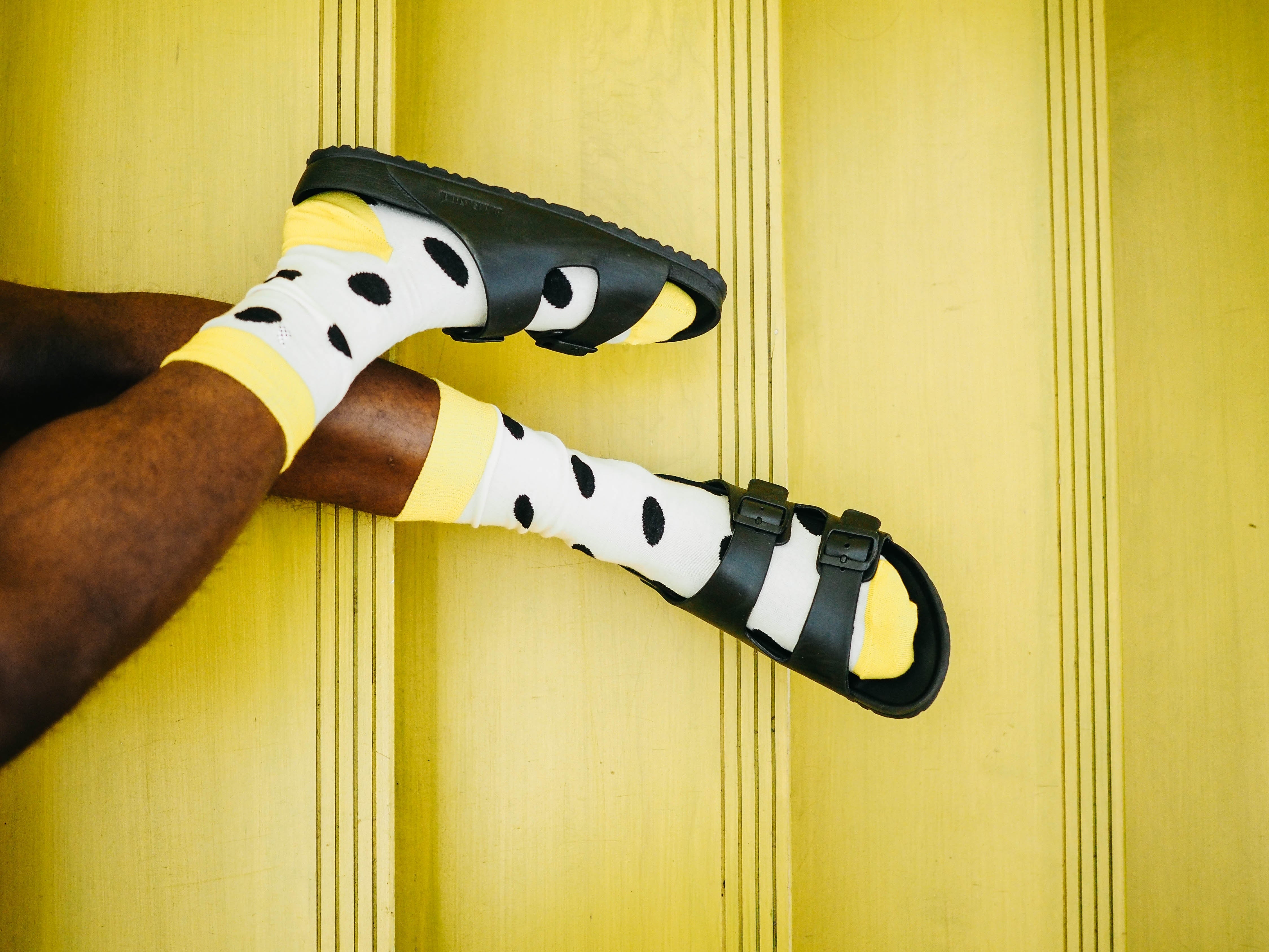
Crocs Classic EVO Clog — Black
View product
Crocs Classic EVO Clog — Black
View product
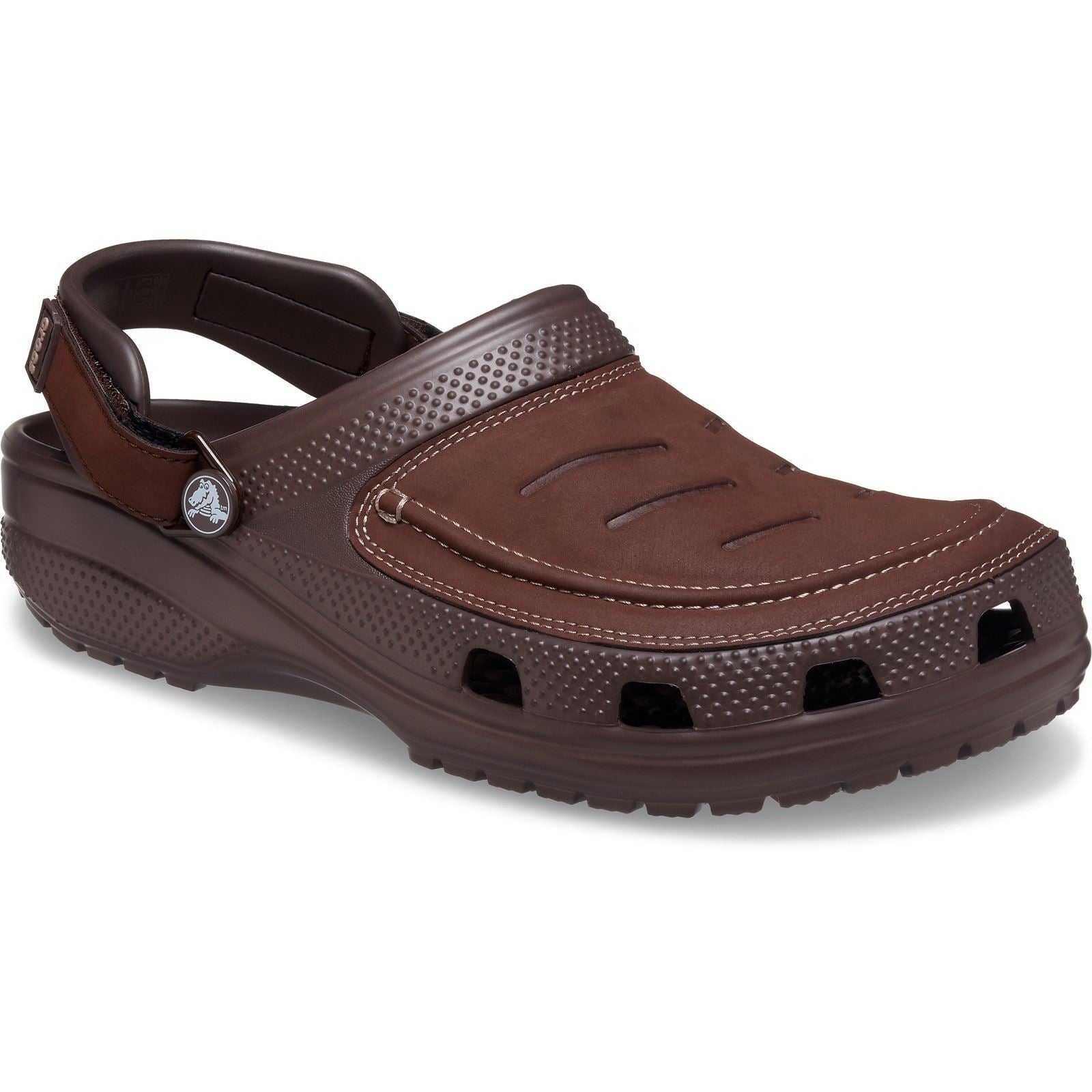
The Complete History of Crocs
Few footwear brands have travelled the distance from novelty to cultural institution as decisively as Crocs. In just over two decades, a clog designed for a sailing trip has become one of the most recognised silhouettes in the world — worn by chefs, surgeons, fashion editors, and everyone in between. This is the complete history of Crocs.
The Origins of Crocs
Crocs was founded in 2002 by three visionaries: Scott Seamans, Lyndon Hanson, and George Boedbecker Jr. The founding idea emerged during a sailing trip around the Caribbean, where the trio identified a gap in the market for a genuinely comfortable, waterproof, slip-on shoe. Boedbecker had brought the three together after meeting each at different points in his career — a fortunate convergence that produced one of the most commercially successful footwear launches of the decade.
The key to the original design was Croslite, a proprietary closed-cell resin that Crocs secured the exclusive rights to in 2004 after acquiring the Canadian company Foam Creations. Croslite is lightweight, odour-resistant, and moulds gently to the shape of the foot over time — properties that no conventional foam or rubber could replicate at the same weight. Seamans refined the design, Boedbecker became CEO, and Hanson oversaw operations.
Growth and the Jibbitz Era
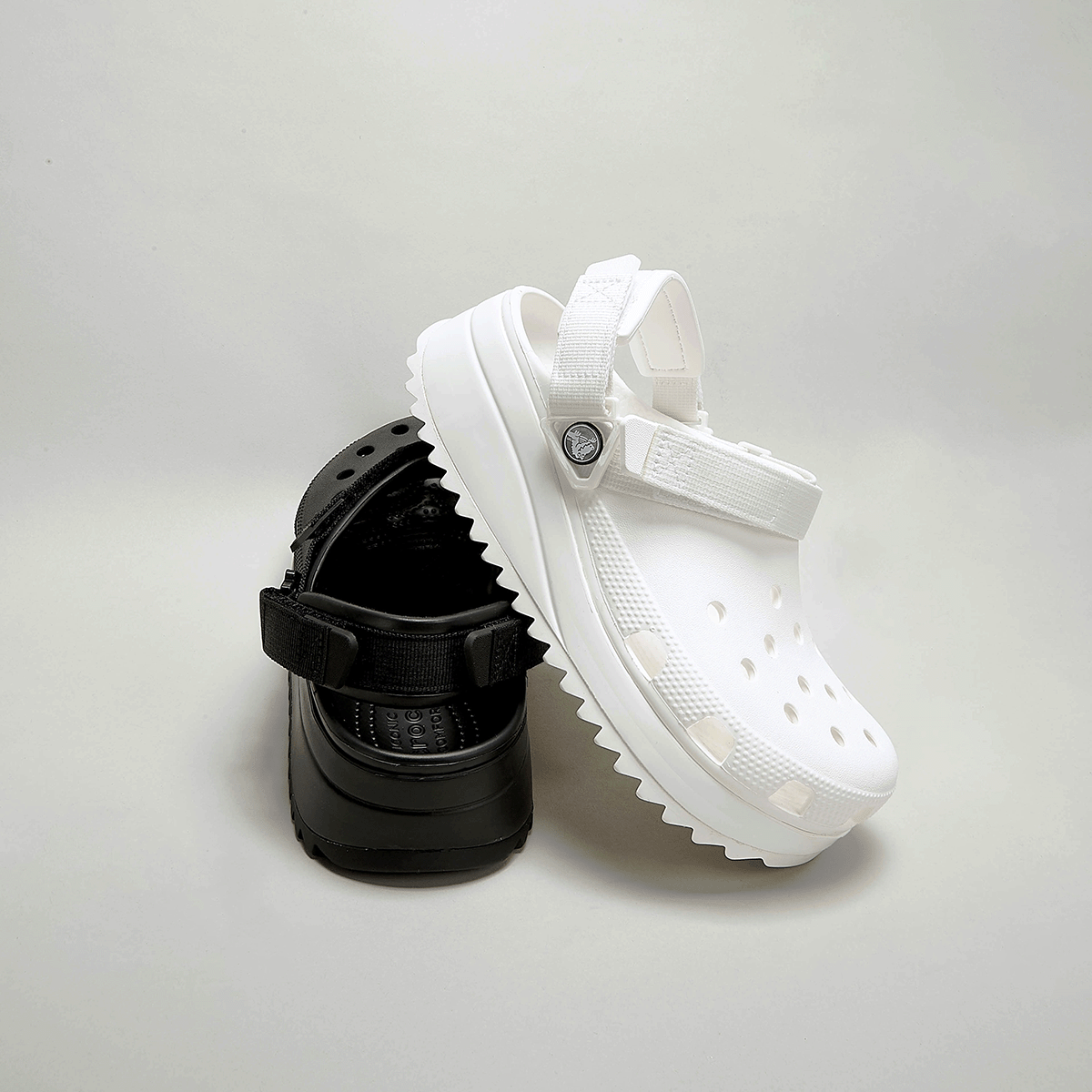
The brand's founding goal was straightforward: create a genuinely comfortable shoe. The Classic Clog delivered on that promise, and the follow-up 'Nile' style — designed specifically for women — confirmed that the appeal extended well beyond the original boating context. By 2006, Crocs had acquired Jibbitz, the company behind the customisable plastic charms that slot into the clog's ventilation holes. It was a defining move: it transformed a functional shoe into a canvas for personal expression, and opened Crocs to an entirely new consumer base.
That acquisition triggered a string of further investments in design and wearability. Youth and momentum were on Crocs' side, and the brand used both to expand aggressively across silhouettes, colourways, and markets.
Are Crocs Sustainable?
Crocs' sustainability commitments are among the most substantive in the footwear industry. The brand became entirely vegan in 2021, integrating bio-based Croslite into every pair through Dow's Ecolibrium technology — a first for the sector. Their net-zero carbon target for 2030 is supported by four core commitments: vegan and bio-based ingredients, minimised resource use through recycling and renewable energy, packaging reduction (the majority of pairs now ship in recyclable zip-lock bags rather than boxes), and the Crocs Care project.
The Crocs Care project has donated over a quarter of a million pairs to communities in need over the past five years — including Kenya, Afghanistan, Costa Rica, and Fiji — keeping footwear out of landfill and in the hands of those who need it most. Each Classic Clog carries a 2.56kg CO₂ equivalent footprint per pair, a figure considerably lower than most comparable footwear brands.
For a closer look at the silhouettes available today, see our Ultimate Guide to Crocs or explore the Classic Platform Slide in detail.
Shop the look
Crocs Classic EVO Clog — Black
View product
 Crocs Yukon Vista II — Espresso/Mushroom
View product
Crocs Yukon Vista II — Espresso/Mushroom
View product
 Crocs Classic Platform — Black
View product
Crocs Classic Platform — Black
View product