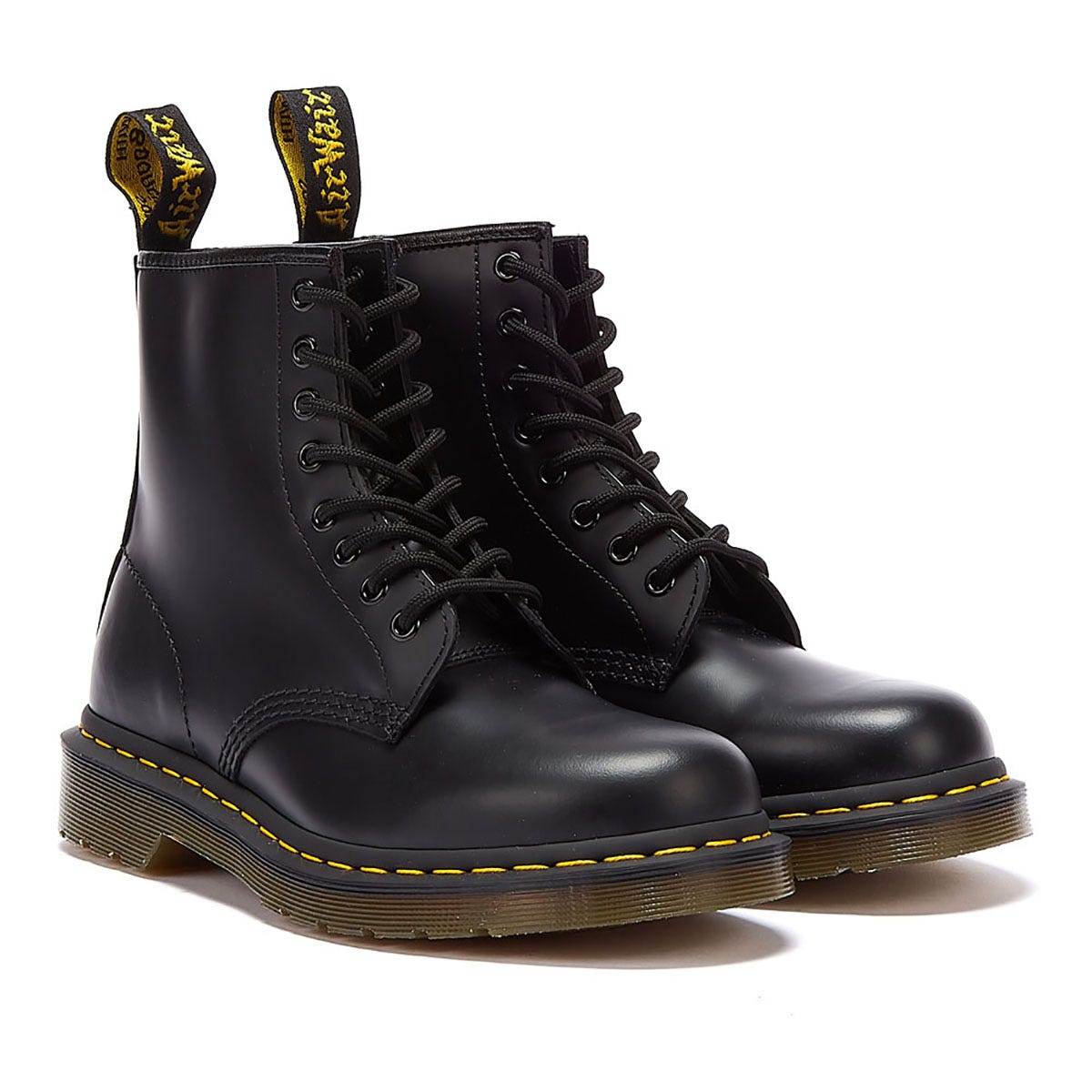
 Dr. Martens 1460 Smooth Black Boots
View product
Dr. Martens 1460 Smooth Black Boots
View product
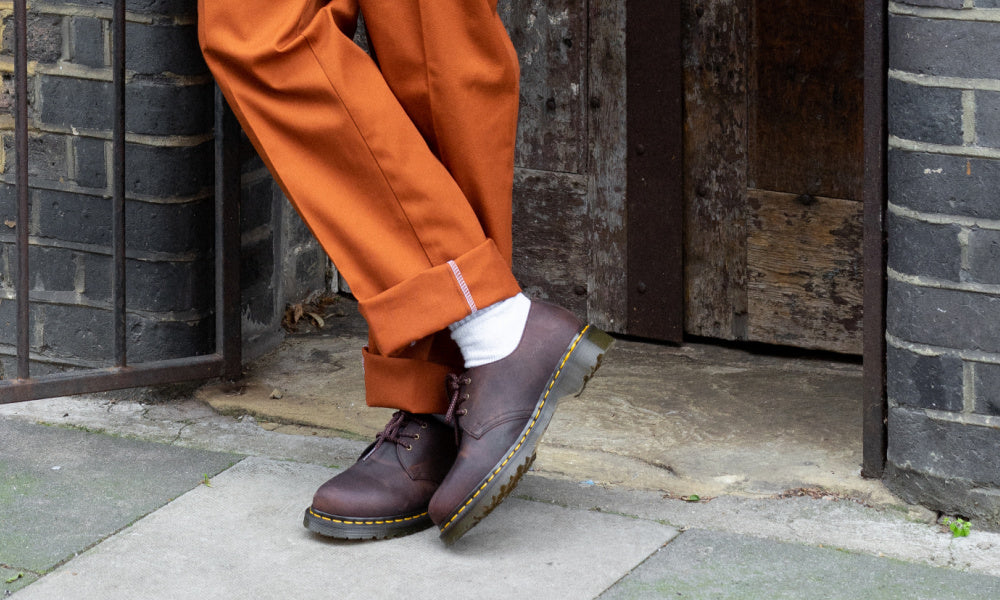
How to Break in Dr. Marten Boots
Dr. Martens boots are a popular choice, which is no surprise to us. They’re stylish, unapologetically cool, and, when broken in, the most comfortable boots you’ll ever own.
They can be a little difficult to break in; however, the effort is definitely worth it. Dr. Martens that have been properly broken in can give you years of stylish and comfortable wear. They are well-made, high-quality footwear that have stood the test of time.
Breaking in Docs needn’t feel like a chore, we’ll give you our tips on exactly how to do so, including solutions like leather treatment, using blister plasters, and choosing the right size DM.
It’s worth noting that DM’s boots vary in types of leather. Which is an absolute game changer because their Pascal Virginia leather boots don’t particularly need to be broken in due to the fact it’s soft from production.
How long does it take to break in Dr. Martens?
It can take anywhere from a few days to a few months to fully break in a new pair of Docs, depending on the type of leather. With proper breaking in techniques, you can speed up the process and enjoy the comfort and durability of your Dr. Martens pretty much instantly.
Even if it does take a little time to break in your shiny new Docs, it will be totally worth it.
Five tips for breaking in Dr. Martens
Without further ado, here are your five tips for breaking in a new pair Docs:
Make sure your Dr. Martens are the correct size
We find Docs are generally true to size. This means you need to make sure you’re getting Docs the right size shoe when purchasing. When you try your new boots on, wear the type of socks you are likely to be wearing when you wear the boots.
Remember, Dr. Martens don’t offer half sizes. This means if you are a half size, you will need to go half a size up or half a size down. We recommend going half a size down, as your boots will naturally stretch a little as you break them in. You can also go half a size up and use an insole to help the fit.
Choose the right socks
We all know it’s what’s inside that counts, right? Well, the same goes for what goes under our Docs. Consider wearing extra thick socks while breaking in your new boots. Thick socks can help minimise this discomfort by creating a layer of protection between your foot and the boot.
As you wear your boots more often, the leather will gradually soften and conform to the shape of your foot. You will likely find that you no longer need to wear thick socks for added cushioning once they’re fully broken in.
Dr. Martens have specially designed socks to ensure your feet are protected in those easy-to-irritate spots.

See our Dr Martens accessories and socks.
Condition your new Dr. Martens with a balsam
By applying a leather conditioner to your new kicks will help moisturise the leather and prevent it from cracking or becoming brittle. This can make the leather more supple, allowing it to stretch and conform to the shape of your feet more easily. Winner! Leather is a natural material that can become stiff and inflexible over time, particularly if it has not been conditioned regularly.
Top tip: Regularly conditioning your Dr. Martens boots can help to keep them looking and feeling their best and can also prolong their lifespan.
Use blister plasters
Blister plasters can be helpful while breaking in boots because they provide a protective coating that reduces pressure and friction on the skin. Blisters may develop as a result of friction between the skin and the stiff leather when breaking in new boots. Plasters for blisters are designed specifically to protect the damaged region and relieve any pain or discomfort that blisters may bring on.
Remember that using blister plasters as a long-term fix for uncomfortable boots is not advised. Instead, you should use them temporarily until you break them in.
Wear them around the house
Before wearing new boots outside, it can be helpful to break them indoors. We recommend starting with shorter periods of wear, gradually increasing the time as your boots start to mold to your feet. This will help prevent blisters and discomfort, ensuring that you'll be able to wear your Docs all day, every day.
Top tip: Take a break and allow your feet some time to relax if they start to hurt while you break in your boots. Avoid pushing yourself too hard and harming your feet. Slow and steady can win the race when it comes to breaking in new Dr. Martens.
Breaking in Dr. Martens: the key things to remember
Breaking in a new pair of Dr. Martens takes a little patience, but it is worth doing properly. The goal is to soften the leather gradually, reduce rubbing, and give the boots time to shape around your feet.
For the easiest start, make sure your Docs fit correctly, wear thicker socks, use blister plasters on pressure points, and build up wear time slowly around the house before heading out for a full day. If your boots are leather, a small amount of suitable balsam or conditioner can also help soften the material while keeping it in good condition.
- Check you have the right size before wearing them outside.
- Start with thick socks to reduce rubbing.
- Use blister plasters on heels or pressure points.
- Wear them indoors for short periods first.
- Condition leather boots carefully to help soften and protect them.
Avoid rushing the process. If your feet start to hurt, take the boots off and try again later. Dr. Martens are known for becoming more comfortable over time, but forcing through pain can leave you with blisters and make the break-in period harder than it needs to be.
More Dr. Martens help
Once your boots are broken in, keep them looking their best with our Dr. Martens care guide. For outfit ideas, read our guide on what to wear with Dr. Martens.
Shop Dr. Martens boots
Dr. Martens 1460 Smooth Black Boots
View product